Overview
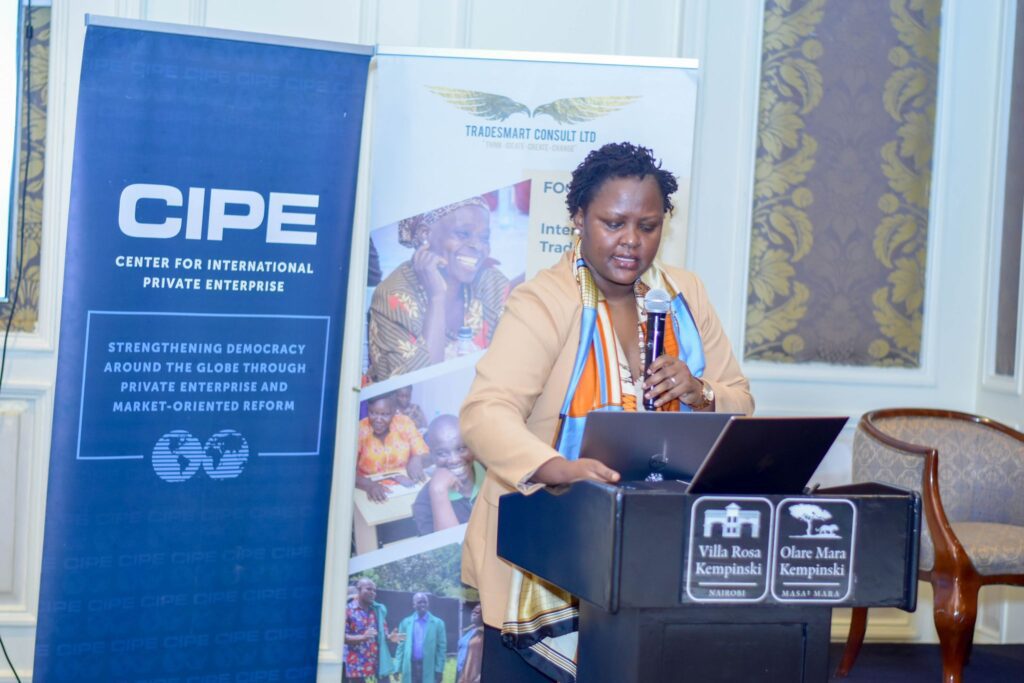
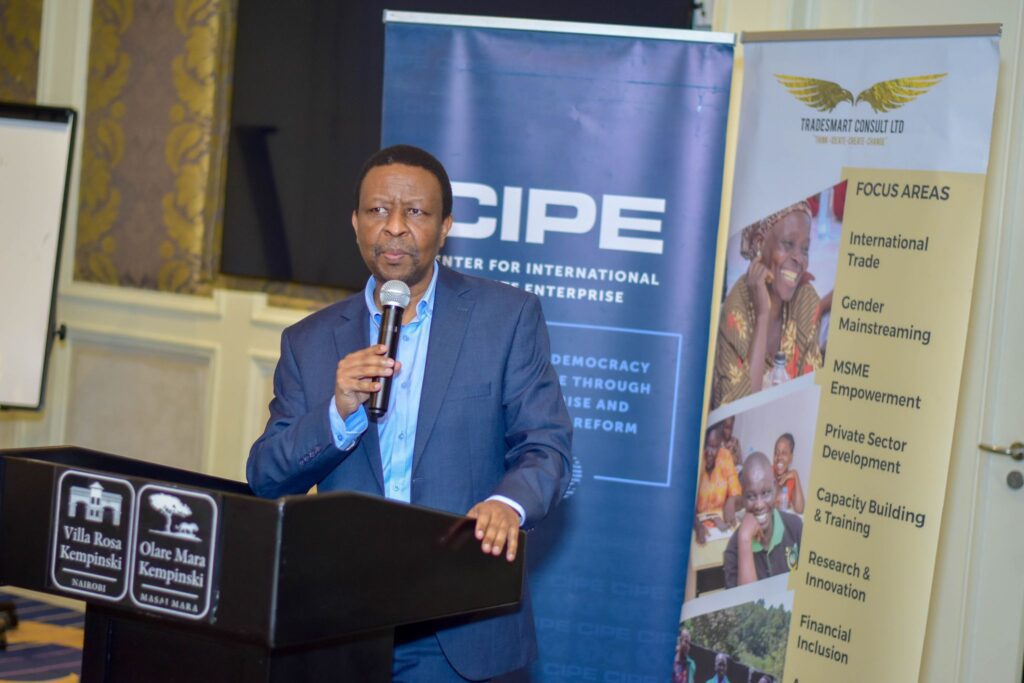
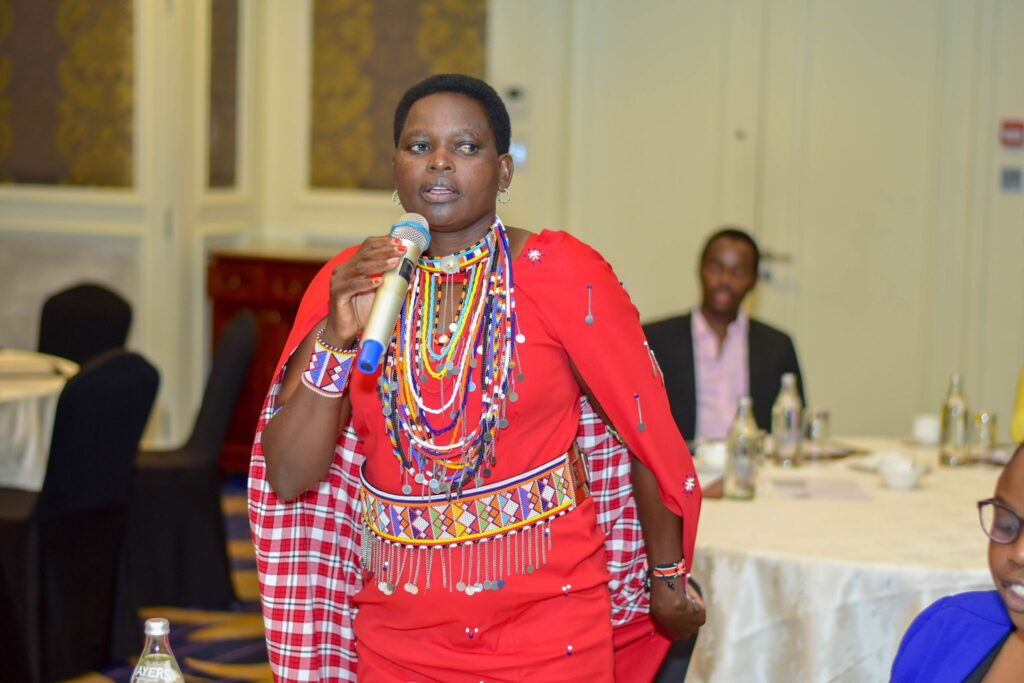
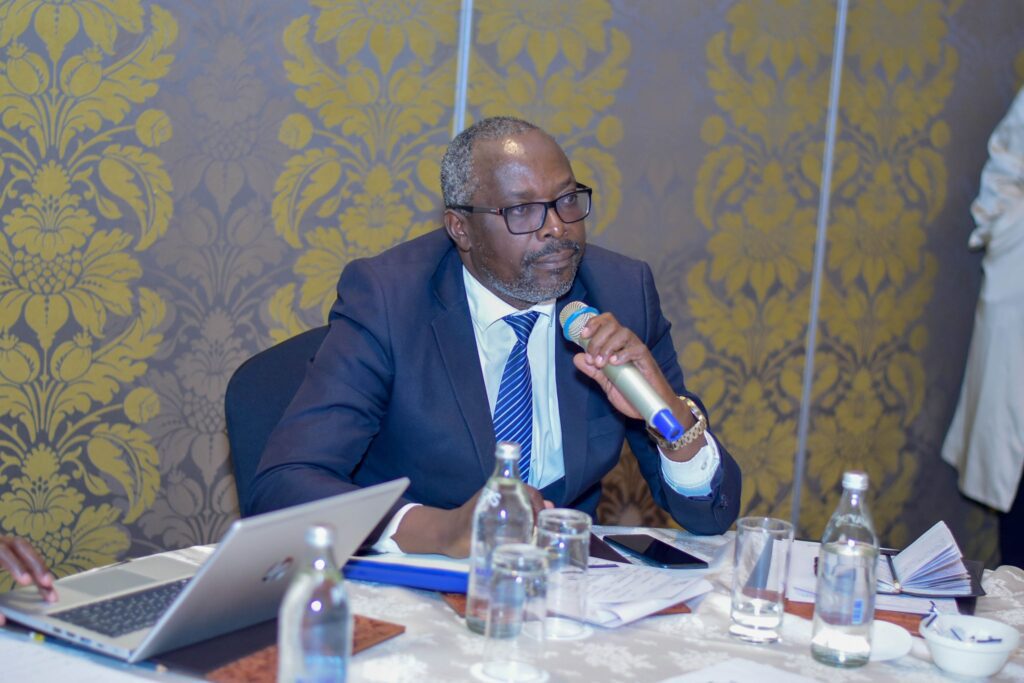
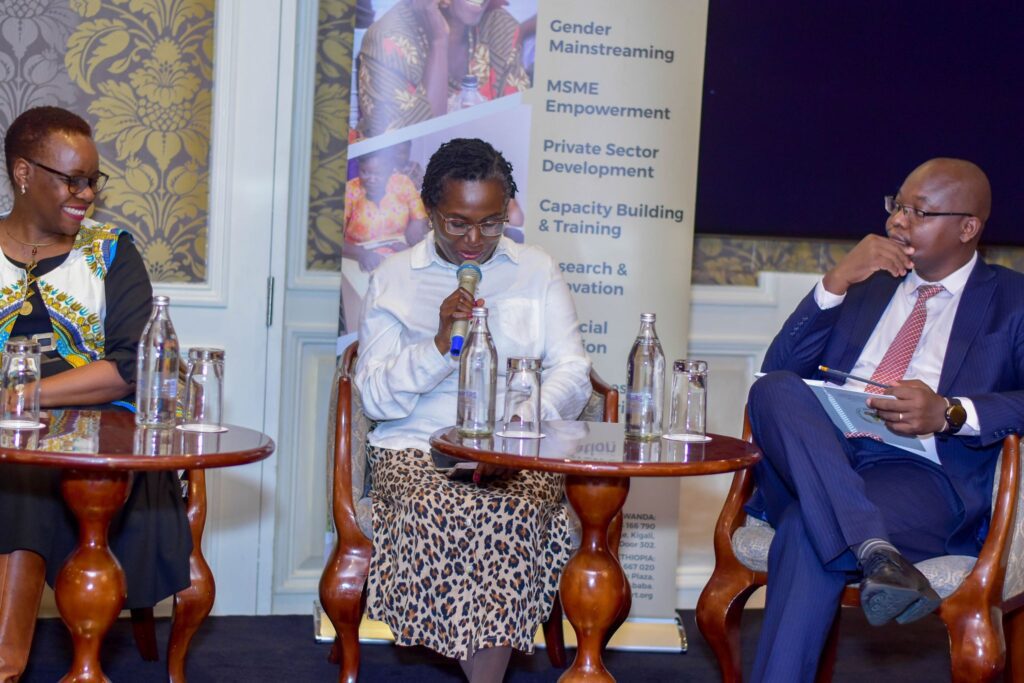
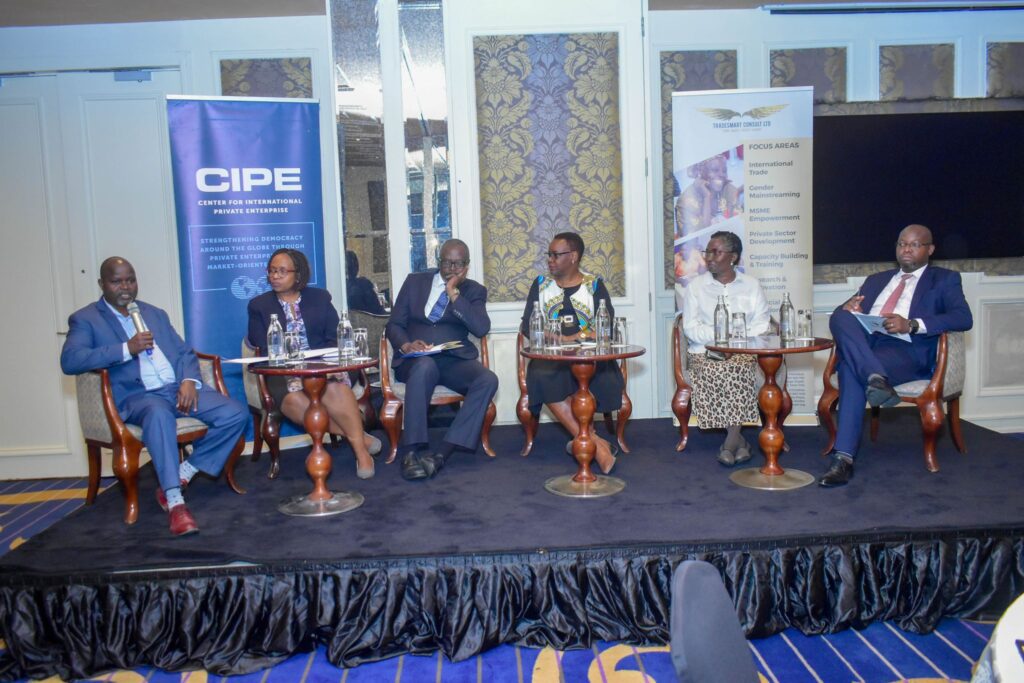
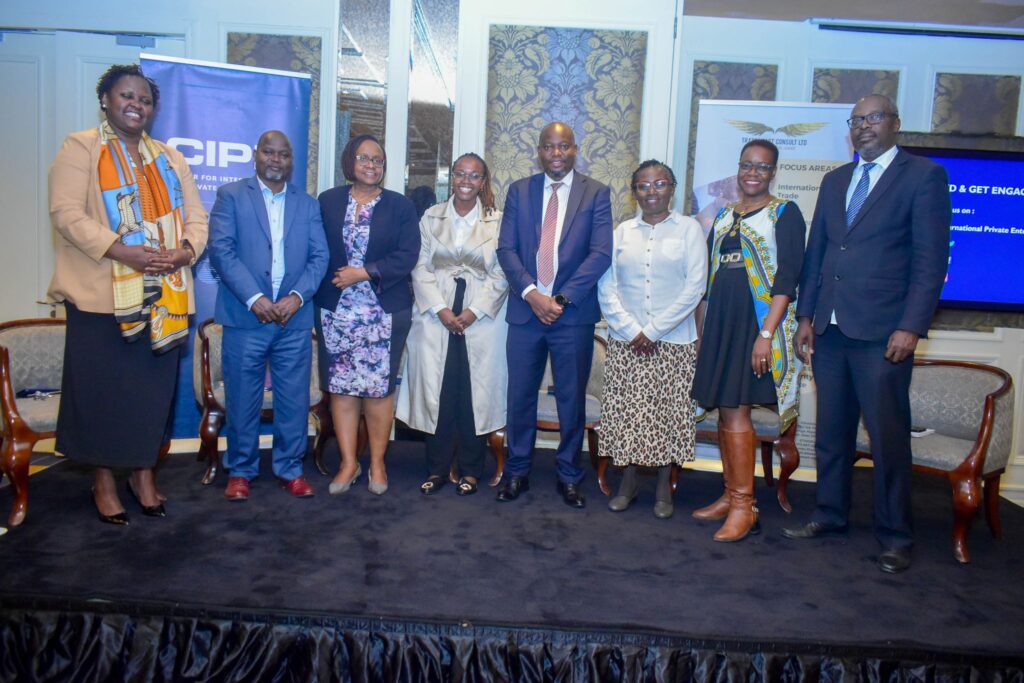
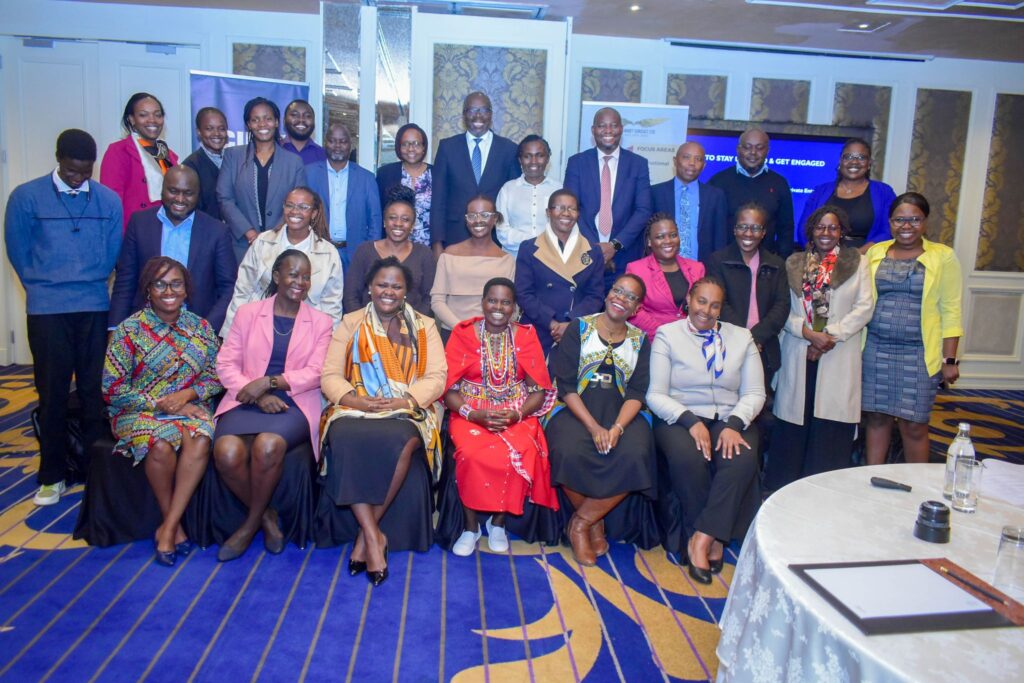
The CIPE Kenya Validation Workshop, held on the 17th of July 2024, centered on addressing the challenges and opportunities in promoting trade across Africa. The discussions primarily focused on eliminating non-tariff barriers (NTBs), creating a conducive business environment, and leveraging the African Continental Free Trade Area (AfCFTA) to enhance intra-African trade.
Key Themes:
- Harmonizing Regulations: Simplifying procedures and improving communication among stakeholders to facilitate smoother trade flows.
- Supporting Young Entrepreneurs: Providing funding, training, and mentorship to empower the next generation of business leaders.
- Utilizing AfCFTA: Exploring the potential of AfCFTA to enhance trade and addressing the specific challenges faced by farmers, miners, and the private sector.
Here are some key Action Items
- Case Studies and Cost Assessment:
- Include case studies on Kenya’s exports to Ghana under the GTI in the study report.
- Assess costs associated with NTBs through literature review and reach out to organizations like the Shippers Council.
- Harmonization and Communication:
- Harmonize national and regional NTB mechanisms with the continental monitoring mechanism under AfCFTA.
- Address specific challenges faced by vulnerable groups and improve communication channels for better information dissemination.
- Policy Reforms:
- Advocate for policy reforms to harmonize trade standards and integrate NTB policies.
Challenges and Opportunities for SMEs
The workshop also highlighted the challenges and opportunities facing Small and Medium-sized Enterprises (SMEs) in Kenya, especially in the service sector.
Key Themes:
- Capacity Building and Collaboration: Emphasizing the importance of capacity building, collaboration, and support for SMEs.
- Gender and Youth Inclusion: Ensuring the inclusion of gender and youth in trade activities.
- Intellectual Property Rights (IPR): Protecting IPR and promoting digital trade to foster innovation.
Action Items
- Bilateral Meetings and Partnerships:
- Organize a bilateral meeting between SME representatives and relevant stakeholders to discuss SME participation in the upcoming ‘Biashara Africa’ trade event.
- Partner with IP Subject Matter Experts and women entrepreneurs’ groups to provide IPR support and registration assistance.
- Feedback and Dissemination:
- Distribute study report findings and collect additional stakeholder feedback.
Enhancing Kenya’s Export Potential
Speakers discussed strategies for enhancing Kenya’s export potential through AfCFTA, focusing on inclusivity, structured fees and charges, and the importance of Rules of Origin.
Key Themes:
- Inclusivity in Trade: Ensuring inclusivity in monitoring and elimination mechanisms for NTBs, especially for marginalized groups.
- Support for SMEs: Highlighting the need for automation, government support, and affordable financing options for SMEs.
Action Items
- Cost Reduction and Automation:
- Escalate issues around high fees and charges imposed by government agencies to relevant Permanent Secretaries.
- Explore options to reduce costs through the automation of processes like import/export certification.
- Information Sharing and Sensitization:
- Share information on designated trading companies that can facilitate SME exports.
- Sensitize stakeholders on NTB reporting mechanisms and address the needs of informal traders.
- Integration and Connectivity:
- Connect physical border resource centers to national NTB monitoring structures.