As the world celebrated International Women’s Day on March 8, concern arose regarding women’s participation in the AfCFTA. This is because of recent studies showing that fewer women than men are well prepared to take advantage of the trade and economic opportunities that AfCFTA presents. And this is despite 75% of most cross-border traders in Africa being women.
As a result, there is a need to think about implementation in a way that increases women’s economic participation and helps them integrate more fully into high-paying sectors of the economy. As of January 2022, 41 countries had ratified the AfCFTA agreement, including Kenya, Rwanda, Burundi, and Uganda.
The main goal of the AfCFTA is to create a single market for goods and services facilitated by the movement of persons to deepen Africa’s economic integration. This goal is consistent with the Pan African Vision, “An integrated, prosperous, and peaceful Africa”, enshrined in Agenda 2063 and intended to “promote the attainment of sustainable and inclusive socio-economic development, gender equality, and structural transformation in the State Parties.”
And this is an acknowledgment that gender mainstreaming in the AfCFTA is improving women’s capacity to participate in the economic and trade opportunities provided by the AfCFTA agreements and is critical to the transformation of the African continent.
Additionally, the introduction of Women and Youth protocols to the AfCFTA is a positive move that appreciates the unique challenges women traders in Africa face, including lack of information and access to capital, poor and uninclusive trade policies, and multiplicity of non-tariff barriers.
The East African Community (EAC) has demonstrated that it recognizes the role of women in regional integration and that gender equality and women’s empowerment are central to the EAC’s mandate and approach to development. In this regard, the EAC adopted the Gender Policy in 2018, which provides a “framework to accelerate the realization of gender equality, gender fairness, non-discrimination, and fundamental rights in East Africa.”
This Policy Framework is a tool for achieving the following:
- Advancing East Africa’s political and social-economic integration
- Ensuring that gender issues are on the EAC agenda
- Accelerating gender mainstreaming
- Contributing to higher living standards, and;
- Enhancing East African people’s efforts to play their rightful role in a globalized world.
The Gender Policy has prioritized policy actions such as improving gender analysis in macroeconomic policy formulation, implementation, monitoring, and evaluation, strengthening gender mainstreaming in national economic processes, economic policy formulation, and gender budgeting initiatives, and supporting and promoting women’s participation in small, medium and large enterprise development and cross-border trade, and promoting equitable access by women and minorities.
The EAC is also developing a joint implementation strategy for the AfCFTA that considers gender inclusivity. Furthermore, with assistance from GIZ, the EAC convened a regional workshop to deliberate gender mainstreaming of the AfCFTA and initiatives to be included in the women and youth protocols, some of which include the Simplified Trade Regime.
Regrettably and despite significant integration developments in the EAC and the potential of the AfCFTA agreement in transforming lives on the African continent, awareness levels and knowledge on how to take advantage of the agreement have been low amongst private sector players who are the agreement’s primary beneficiaries. And women in the EAC have even lower levels of awareness and knowledge.
In this regard, and to advance the AfCFTA Agreement’s goal of gender equality as a potential force for inclusive economic growth and transformative change, member countries must work together to mainstream gender into AfCFTA. And this implies the need for a coordinated approach between the public and private sectors in implementing AfCFTA, as well as the need to raise awareness of the potential benefits, opportunities, and challenges presented by the AfCFTA among the key actors/stakeholders in the public and private sectors, including women traders.
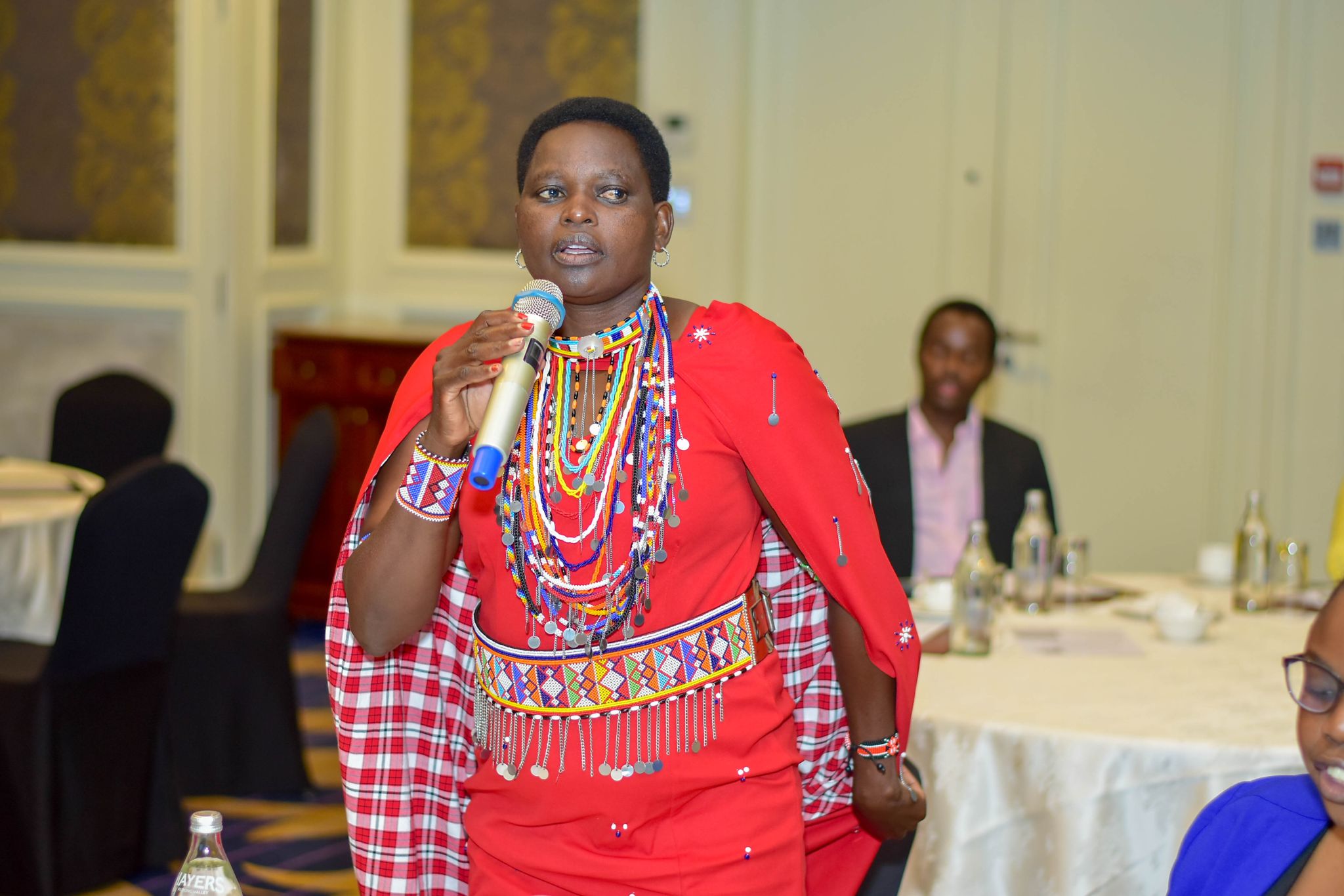
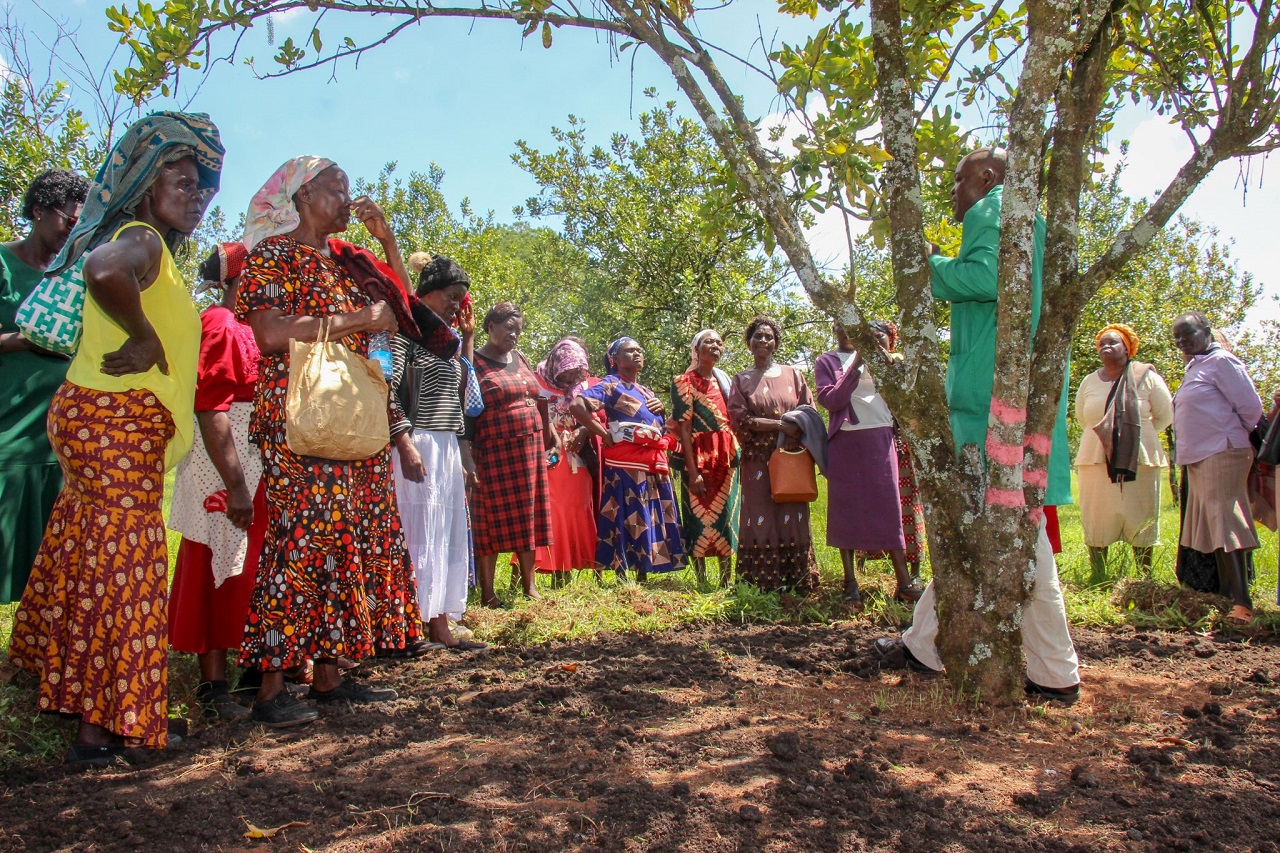
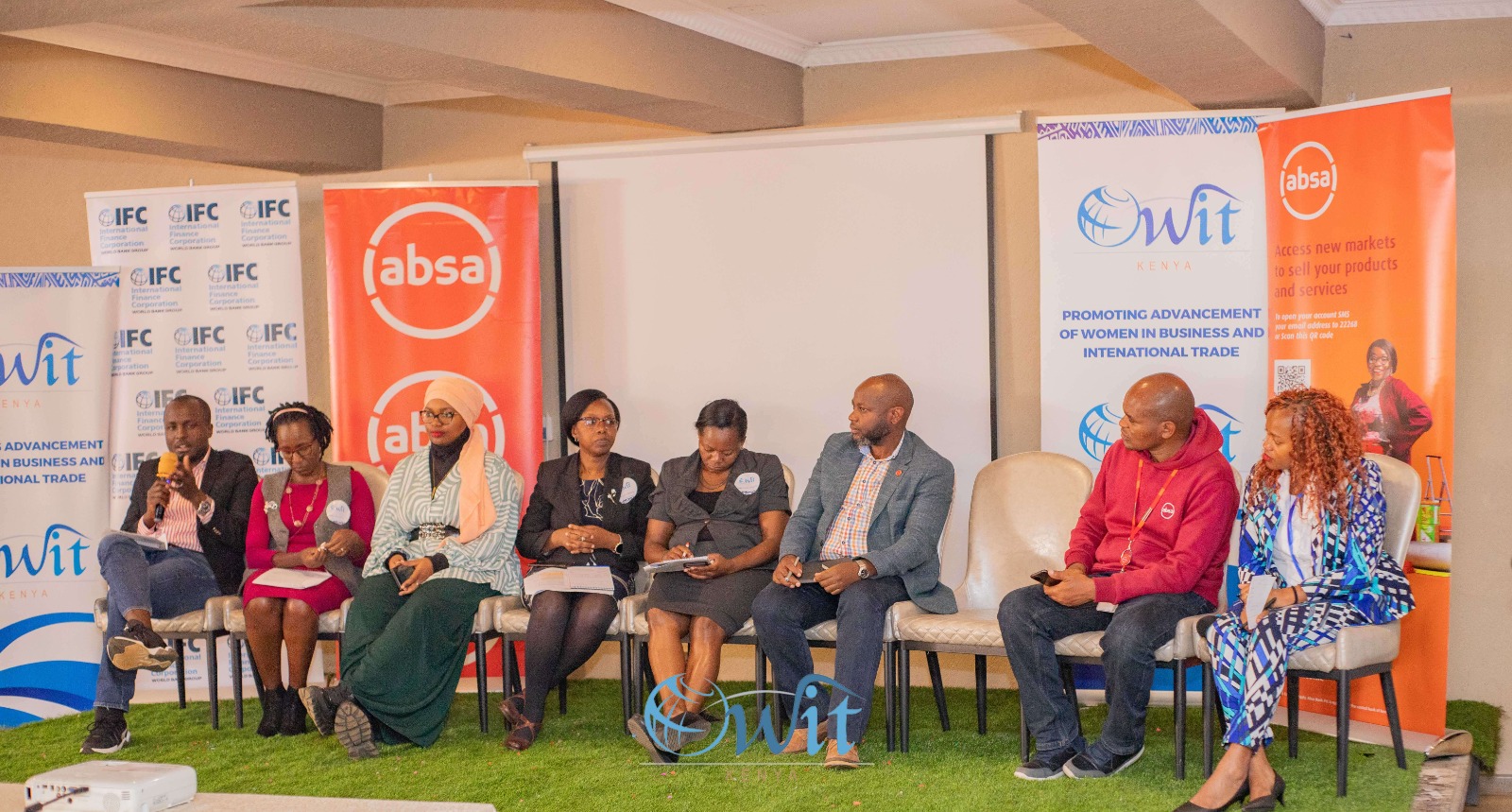
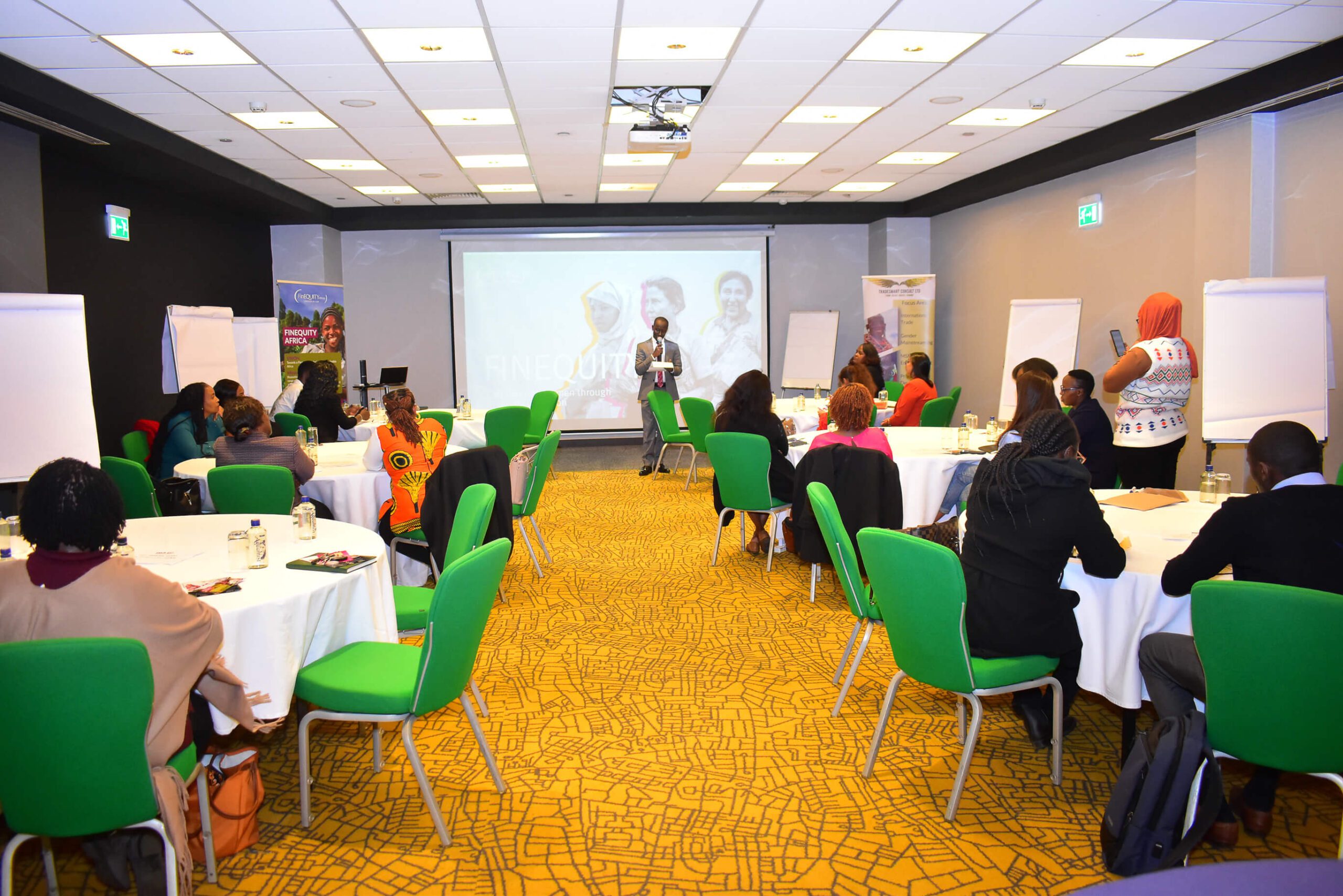
As part of the intervention and to address this information and knowledge gap among urban and cross-border women in the region, the EAC secretariat has hosted a series of workshops, webinars, and awareness-raising activities in Kenya, Uganda, Tanzania, and Rwanda. All of this is in partnership with GIZ and TradeSmart Consult.
The main goal of this initiative is to raise awareness and provide information to women traders in the EAC on how to take advantage of the AfCFTA. Among other things, the session aims to conduct awareness campaigns among EAC women traders about the existence of the AfCFTA, build their capacity to take advantage of the AfCFTA, and assess their export readiness while proposing interventions to fill any gaps identified. Finally, the initiative aims to improve the capacity of these women traders in terms of market intelligence.
Without a doubt, such efforts should be encouraged by all, and more players and partners should join to scale up ongoing efforts. Because if we do not prepare our women and ourselves, if we sit back and produce nothing, we will consume produce from other countries. We will end up as net importers, merely acting as a conduit for others, while it should be an all-rounded beneficial trade forum. We should implement AfCFTA in a manner that enhances participation by women.